
A summary plan description is the one benefits document your employees are guaranteed to receive, and the one most small employers assume someone else is handling. If you sponsor a plan, it is your responsibility.
Summary Plan Description, Defined
A summary plan description (SPD) is the plain-language booklet that tells participants how an employer-sponsored benefit plan works: who is covered, what the plan pays for, and what to do when a claim is denied. ERISA, the federal law governing most private-sector benefit plans, requires it, and participants receive it free.
Two things surprise employers. It has to be written so an average employee can follow it, not so an attorney can defend it. And it is not only a retirement plan document. Health, dental, vision, life, and disability plans are ERISA plans too, and each one needs to be covered.
What an SPD Must Include
Federal rules set the contents. A compliant SPD generally covers:
| SPD Requirement | What It Covers |
|---|---|
| Plan information | Plan name, plan number, sponsor, administrator, and legal-service contact |
| Eligibility | Who can participate, waiting periods, and when coverage starts |
| Benefits | Benefits and services the plan provides |
| Exclusions and limits | Situations that can reduce, limit, or deny benefits |
| Claims and appeals | How participants file claims and challenge denied claims |
| Funding | Who pays, how the plan is funded, and whether benefits come from an insurer, trust, or company assets |
| Plan changes | How the plan can be amended or terminated |
| ERISA rights | Participants’ rights and protections under ERISA |
| Retirement provisions | Vesting and benefit-accrual rules when the SPD covers a retirement plan |
Who Has to Provide One, and When
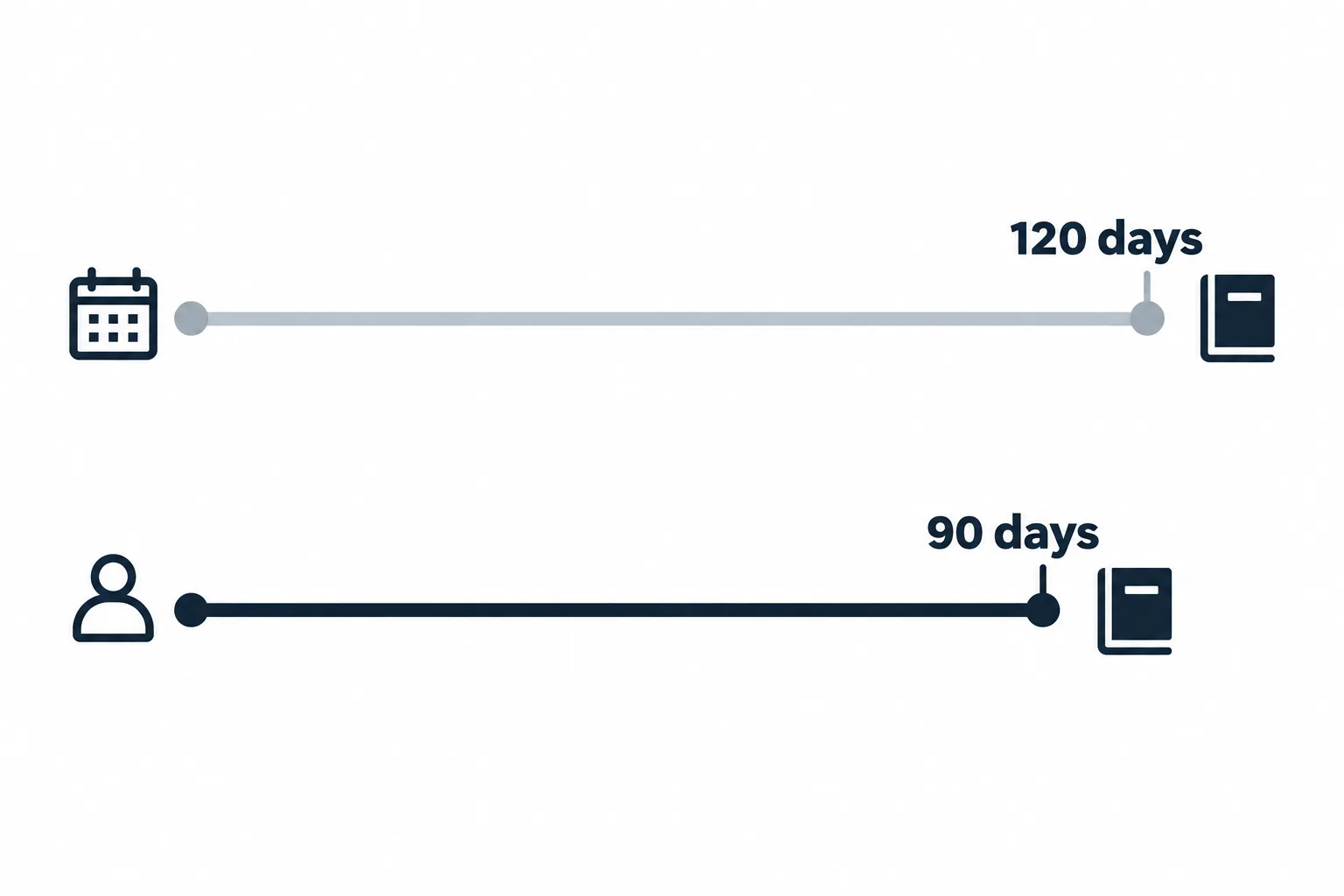
The plan administrator, which for a small group is almost always the employer, is responsible. Not the insurance carrier. Not the payroll vendor.
On timing, summary plan descriptions go to participants within 120 days of a newly established plan, or within 90 days after an employee becomes covered. Updated versions follow on a recurring cycle after that, and participants have to be told when the plan changes in a meaningful way.
Participants can also ask for a copy in writing, and an administrator who ignores that request risks penalties. Electronic delivery is allowed under specific conditions. Posting a PDF on an intranet page and hoping people find it may not meet them.
SPD vs. Summary of Benefits and Coverage vs. Plan Document
The plan document holds the full legal terms and controls in a dispute. The SPD summarizes those terms for participants and is the ERISA-required communication piece. The Summary of Benefits and Coverage (SBC) is a separate standardized form required for group health plans under the Affordable Care Act so employees can compare cost and coverage side by side.
An SBC does not satisfy your SPD obligation.
Neither does a carrier certificate of coverage or a benefits guide on its own. Many employers close that gap with a wrap document that combines carrier materials with the required ERISA language.
| Document | Main Purpose | Required? | What It Tells Employees |
|---|---|---|---|
| Plan Document | Establishes the plan’s legal terms | Yes, for an ERISA plan | The formal rules governing the plan |
| Summary Plan Description (SPD) | Explains the plan in participant-friendly language | Yes, for an ERISA plan | Eligibility, benefits, claims, exclusions, rights, and other operating rules |
| Summary of Benefits and Coverage (SBC) | Provides a standardized health-plan comparison | Yes, for applicable group health plans | Key coverage details, costs, limitations, and examples |
| Carrier Certificate / Benefits Guide | Explains insurance coverage or helps employees understand benefits | Not a substitute for an SPD | Insurance-specific terms, coverage information, or enrollment details |
What a Summary Plan Description Example Looks Like
Usually a PDF or a printed booklet with a table of contents and a section for each required topic. Length tracks plan complexity. There is no government form to fill in: the content is fixed, the format is yours. Employees typically find it in the benefits portal, in the onboarding packet, or by asking HR.
Where Small Employers Get Tripped Up
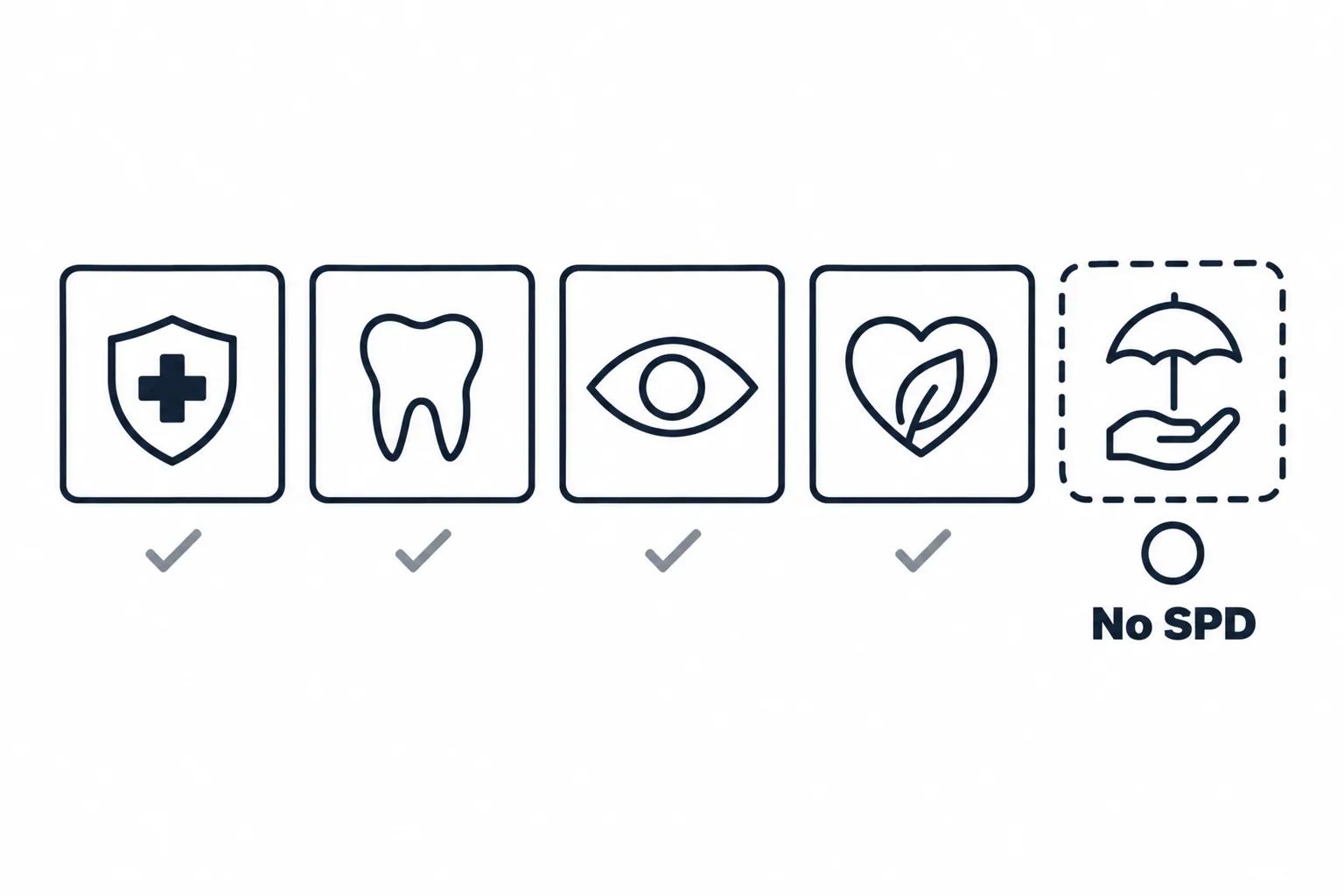
A business with 2 to 60 employees is not exempt. ERISA sets no headcount minimum for most welfare benefit plans, though government and church plans sit outside it.
The usual gaps:
- Assuming the carrier’s certificate is the SPD
- Covering major medical but forgetting dental, vision, life, and disability
- Adding a line of coverage mid-year and never updating the documents
- Having no process for answering a written request from an employee
Fourth quarter, when most groups renew for the coming plan year, is the natural time to pull these documents out and check them before anything changes. That same review is a good moment to confirm your annual Form 5500 filing obligations, because the return follows the plan calendar you set at renewal.
Frequently asked questions
Is an SPD the same as a summary of benefits and coverage?
Do retirement plans get an SPD?
What if my employer will not give me one?
Does a five-person business need an SPD?
What if the SPD conflicts with the plan document?
Get Your Benefits Documents in Order
Cooke & Associates works for the business, not for one carrier. We look at plan design and the paperwork behind it alongside the quoting, run employee education meetings so people understand what they have, and stay available through the year for claim and billing questions instead of disappearing after renewal.
If you are not certain your SPD is current, or not certain you have one, start the conversation before your next renewal.